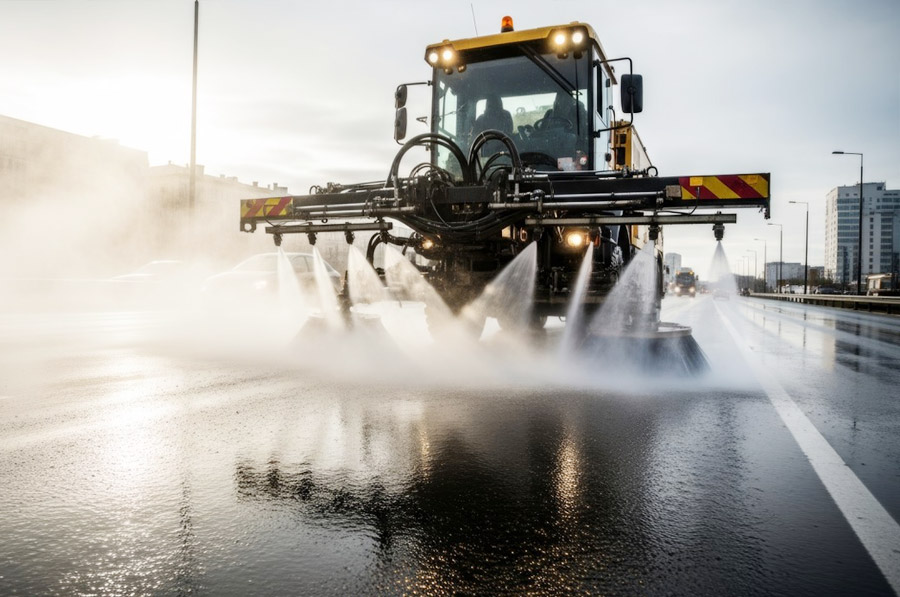
Application example COLM
HWA AG
Level Sensor for Oil and Fuel in Motorsports
Of all things, it was the smallest Mercedes-Benz passenger car that made motorsports history in the early 1990s. The Mercedes-Benz 190 EVO I and EVO II dominated touring car races during that time. HWA AG has set out to bring this car back to the racetrack with their own interpretation of the EVO II, which will be available in a limited edition of 100 units. While many details closely follow the original EVO, the instrument cluster is now fully digital. This allows engineers to incorporate essential additional features that are essential for racing. For instance, the engine oil level is displayed so that it can be monitored even while driving. The challenge was selecting a suitable level sensor for small-batch production that could withstand the harsh conditions of racing.
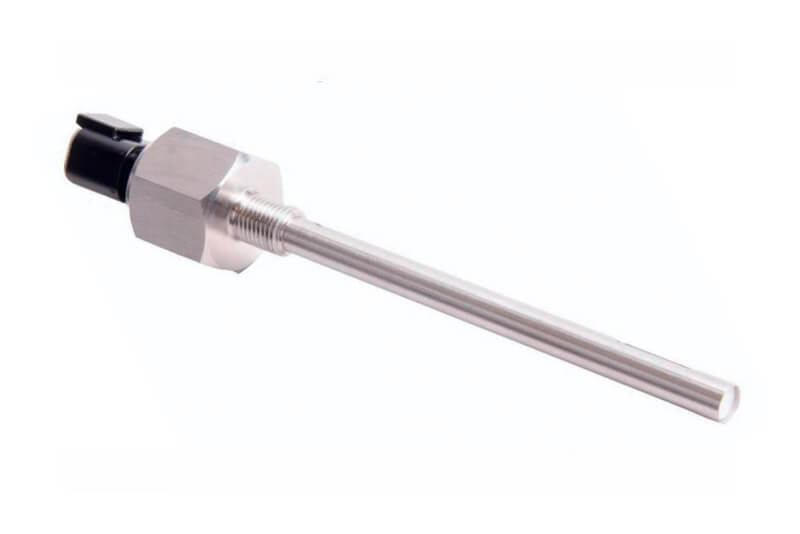
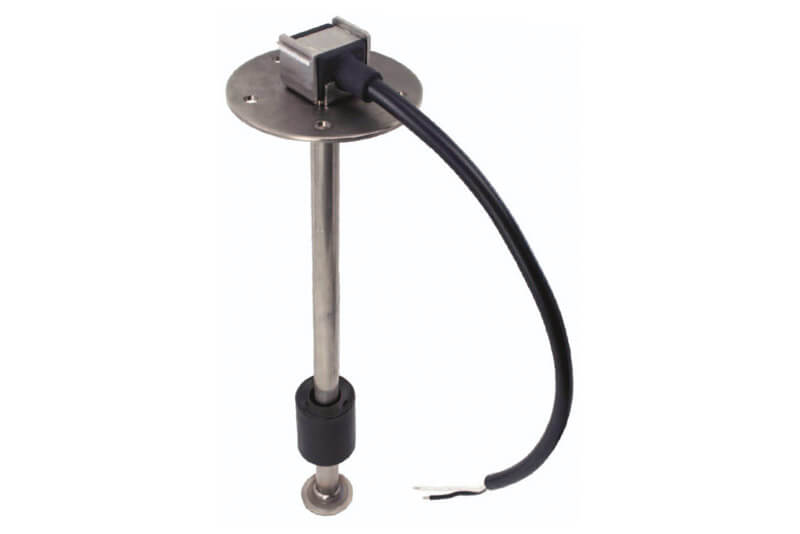
HWA found a suitable partner in Contec, which delivers suitable sensors despite demanding requirements in terms of production volume and customization. Additionally, Contec has solved yet another level-sensing problem in the fuel tank developed specifically for the HWA EVO II. A Contec level sensor is also responsible for correctly transmitting data to the display.
Conclusion
Contec was able to economically meet the specific requirements for both the oil and fuel level sensors, even for small-volume production, and supported the customer from the development stage through to series production. The robust Contec tank sensors of the COLM series are ideally suited for race cars and consistently provide reliable and accurate data for engine oil and fuel.
Customer
Products used
Challenges
- Robust level sensors for motorsports applications
- Customization
- Small volume production
- Short development time
- Good price-quality ratio
Product advantages
TLL400 capacitive level sensor:
- Adaptability to tank volume
- Freely configurable voltage output
- Compact design
RSP 9800 Fuel Level Sensor:
- Customizable
- Robust construction, suitable for both on-road and off-road use
- Accurate signal transmission
- High strength
Project duration
- Approximately 18 months, from the initial prototype and testing to road tests and installation in series production.
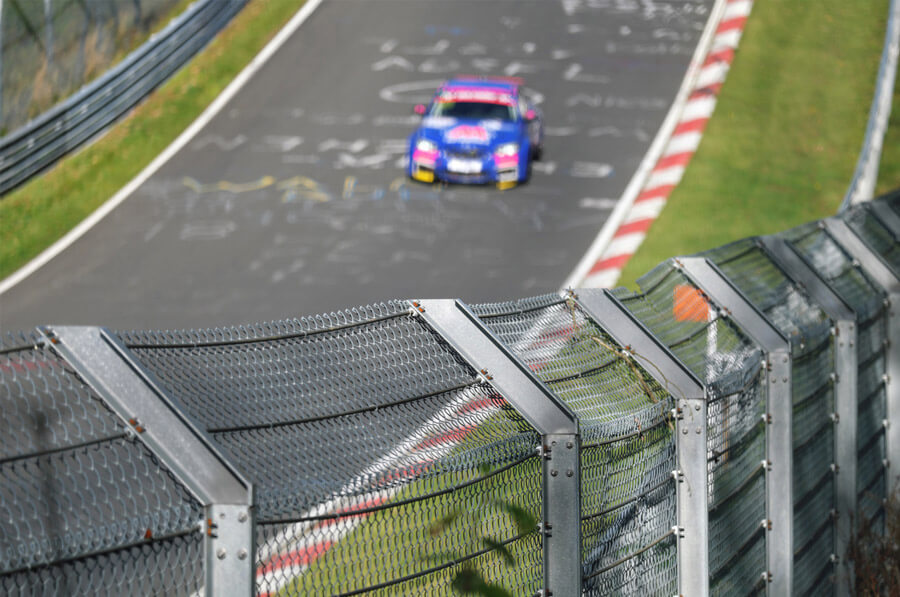
Photo: AI-generated